Understanding and Resolving Ponding Water on Commercial Flat Roofs
Operating a business in the PNW means learning to live in harmony with the rain. While we all look forward to the occasional sunbreak to brighten our days, the constant precipitation can take a serious toll on commercial buildings. If you own or manage a facility around the Sound, keeping your property watertight is likely one of your top priorities.
One of the most persistent and potentially damaging issues property managers face is standing moisture. Specifically, we are talking about ponding water on commercial flat roofs. By industry standards, water that remains on your roof for more than 48 hours after a rainstorm is considered ponding. It is not just an aesthetic issue; it is a structural hazard that can drastically reduce how long a typical roof is expected to last.
When moisture lingers, it acts like a magnifying glass for the sun's UV rays, accelerates the breakdown of roofing materials, and creates immense structural weight. A single inch of water covering a 100-square-foot area weighs over 500 pounds. Over time, that weight causes sagging, which leads to even more water accumulation.
As experienced roofing contractors, the team at Proline Roofing & Restoration LLC understands how stressful unexpected maintenance can be, especially with fluctuating material costs and the complexities of modern building codes. In this guide, we will explore why this happens, how to address it, and what you can do to protect your investment for years to come.
Identifying the Core Issues
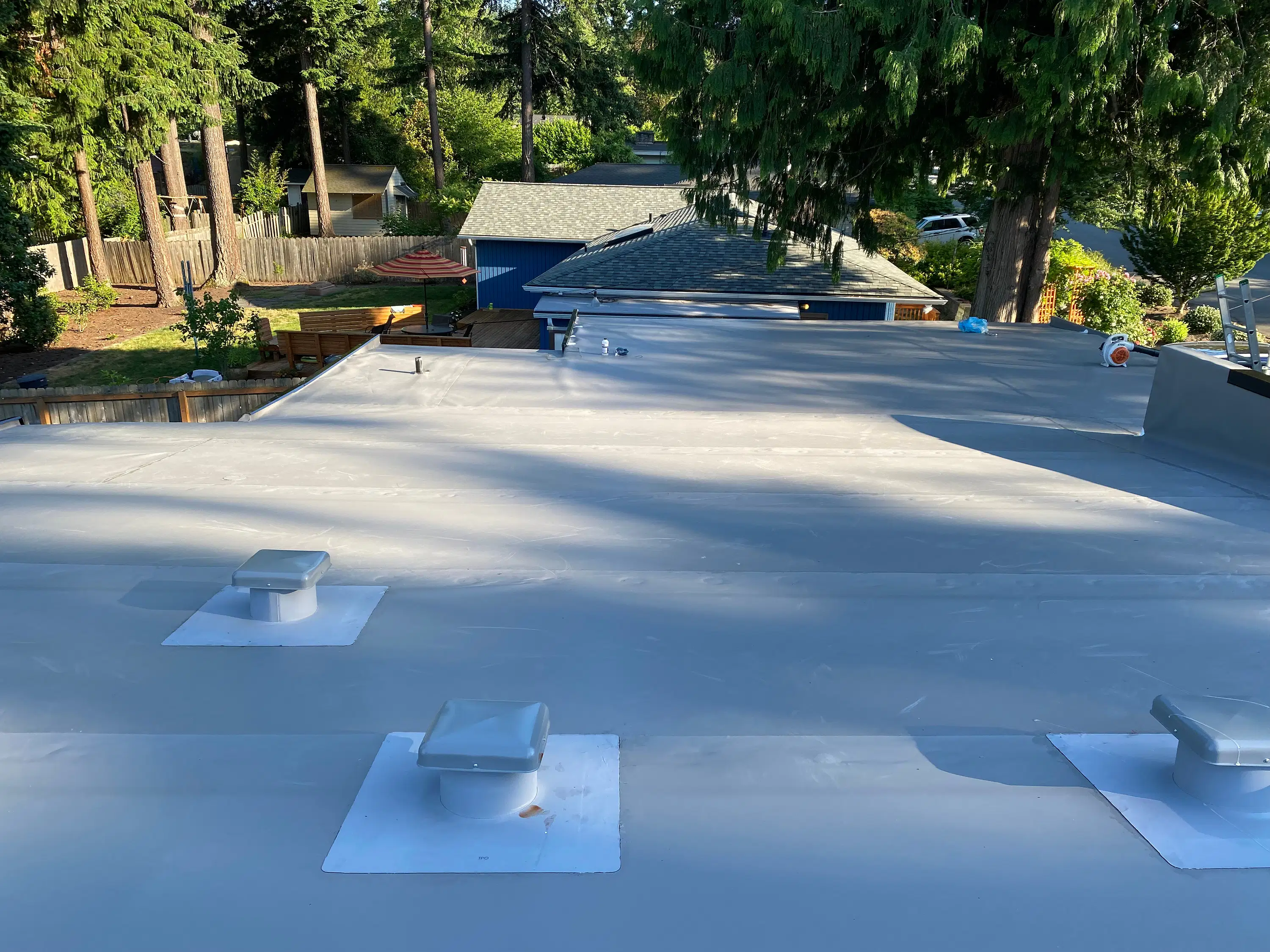
To properly address the problem, we first need to look at the causes of ponding water on commercial roofs. While flat roofs appear completely level from the ground, they are actually designed with a very slight pitch to direct moisture toward drainage systems. When this delicate balance is disrupted, water has nowhere to go.
One primary culprit is poor drainage design or blocked drainage systems. Scuppers, inner drains, and gutters are the lifeblood of a flat roofing system. If they become clogged with autumn leaves, pine needles, or dirt, the water simply backs up. In some cases, buildings were originally constructed with an insufficient number of drains for the surface area, overwhelming the system during heavy downpours.
Another frequent cause is compressed or saturated underlying insulation. Commercial roofs experience a lot of foot traffic from HVAC technicians, maintenance crews, and building inspectors. Over time, this constant weight can crush the rigid insulation boards beneath the membrane, creating subtle depressions where water naturally gathers.
Finally, structural settling plays a major role. As buildings age, their foundations can shift slightly. Even a microscopic shift in the building's structural framework can alter the pitch of the roof, turning once-functional drainage pathways into shallow bowls that hold rainwater.
Many facility managers ask us how to know if a roof needs to be repaired or completely replaced when they spot these issues. The answer usually depends on whether the moisture has breached the membrane and compromised the decking below. Catching these issues early is the key to keeping your costs manageable.
Solutions and Modern Interventions
Once you have identified the problem areas, the next logical question is how to fix standing water on flat roof surfaces. Fortunately, a full replacement is not always necessary if the membrane is still in good condition.
One of the most effective solutions is the installation of roof crickets. Crickets are rigid, diamond-shaped structures installed beneath the roofing membrane. They are specifically designed to divert water around large obstacles like HVAC units, chimneys, or skylights, and direct it straight toward the scuppers and drains.
If the issue stems from widespread sagging, your roofing team might suggest a tapered insulation system. By carefully installing sloped insulation boards during a localized roofing repair, we can restore the proper pitch to the affected area. Additionally, widening existing scuppers or installing supplemental internal drains can provide the extra capacity needed to handle torrential seasonal rains.
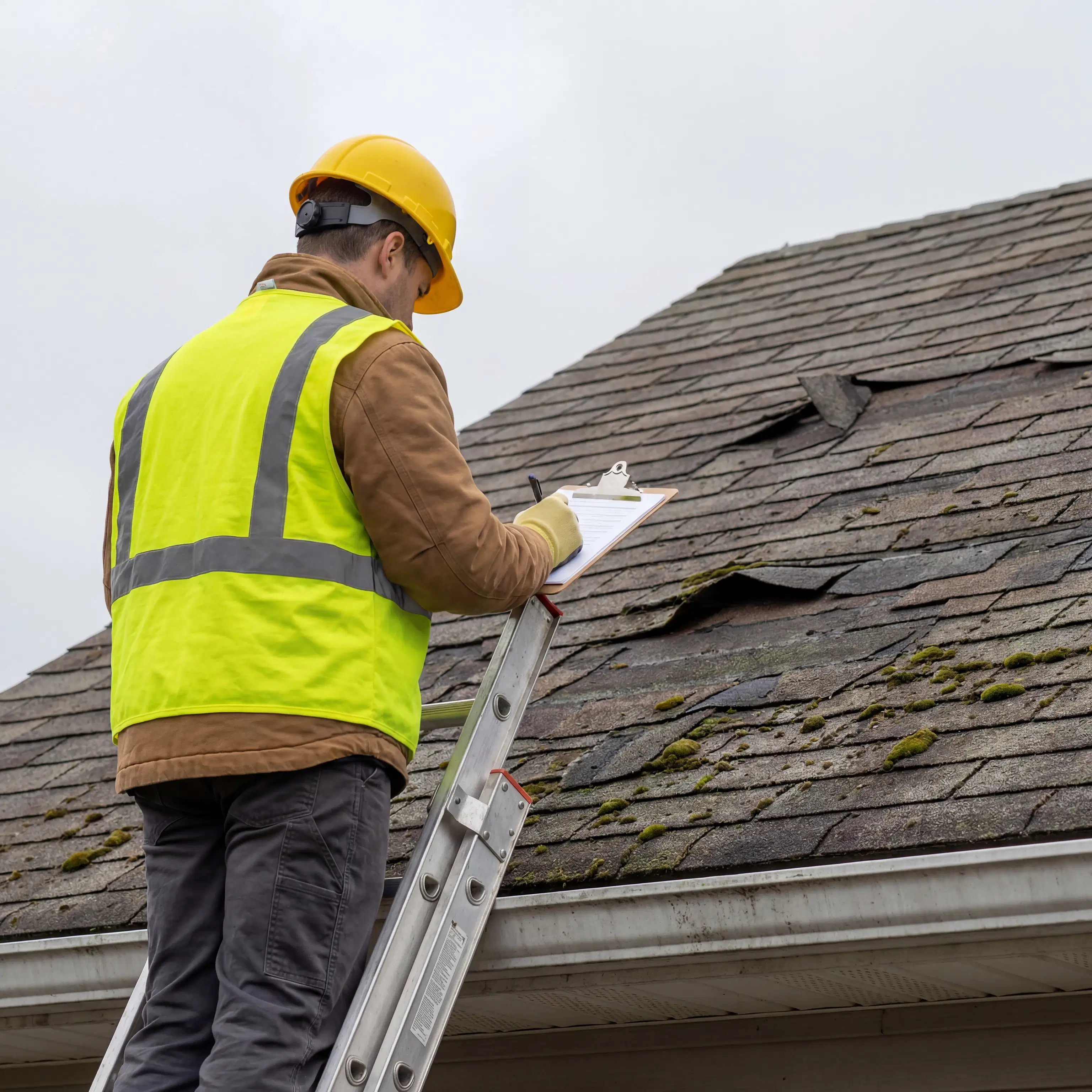
Today, the roofing industry is leaning heavily into technology to diagnose and solve these issues. We frequently utilize drone technology and 3D aerial modeling to conduct highly accurate, non-invasive roof inspections. This allows us to map out the exact topography of your roof, pinpointing millimeter-level depressions that cause pooling, all without having to step foot on the most fragile areas of the membrane. This tech-forward approach ensures that our solutions are targeted, effective, and cost-efficient.
Proactive Protection
The absolute best way to handle standing water is to prevent it from accumulating in the first place. This requires a dedicated approach to ongoing maintenance. Implementing a thorough commercial flat roof preventative maintenance checklist can save your business thousands of dollars in premature replacement costs.
Your checklist should include bi-annual professional inspections—ideally in late spring and early fall. During these inspections, professionals will clear all gutters, drains, and scuppers of debris. They will also check the flashing around rooftop penetrations, as these are highly vulnerable to water intrusion.
Additionally, your checklist must involve inspecting the membrane for blistering, cracking, or pulling at the seams. If a technician spots a small puddle forming during a routine check, they can often level the area or apply a specialized roof coating before the structural integrity of the decking is threatened. Coatings can add an extra layer of waterproofing and even offer UV-reflective properties, which aligns perfectly with modern energy code compliance and sustainability goals.
Long-Term Roofing Strategies
We know that managing commercial property expenses can be incredibly stressful, especially when large upfront material costs threaten to strain your working capital. Delaying essential maintenance due to budget concerns often leads to far more expensive emergency situations down the road. If your facility requires significant structural repairs or a complete overhaul, exploring professional financing options can help you manage cash flow while securing the integrity of your building.
Ultimately, partnering with experienced professionals is the best way to protect your commercial assets. At Proline Roofing & Restoration LLC, we bring decades of localized expertise to every project. We understand the specific demands that our regional climate places on commercial buildings in Puyallup and the surrounding communities.
If you are tired of worrying about every incoming rain cloud, it is time to take action. Whether you need a comprehensive drone inspection, targeted maintenance, or specialized commercial roofing services, our team is ready to help you find a lasting solution. Reach out to us today through our contact page to schedule your professional assessment and keep your business safe, dry, and protected.