How to Finance Your Roof Replacement
A roof replacement rarely arrives at a convenient time. When leaks, worn shingles, or moss-related damage can no longer be repaired economically, delaying the project may lead to damaged insulation, decking, ceilings, and siding. That risk is especially important around Tacoma, where liquid sunshine can quickly expose a vulnerable roof.
Fortunately, paying the full cost upfront is not your only choice. Roof financing can divide a major home expense into predictable payments while allowing you to address the problem before it grows. This guide explains common funding options, how monthly payments are calculated, and what to review before signing an agreement.
Begin With a Complete, Detailed Estimate
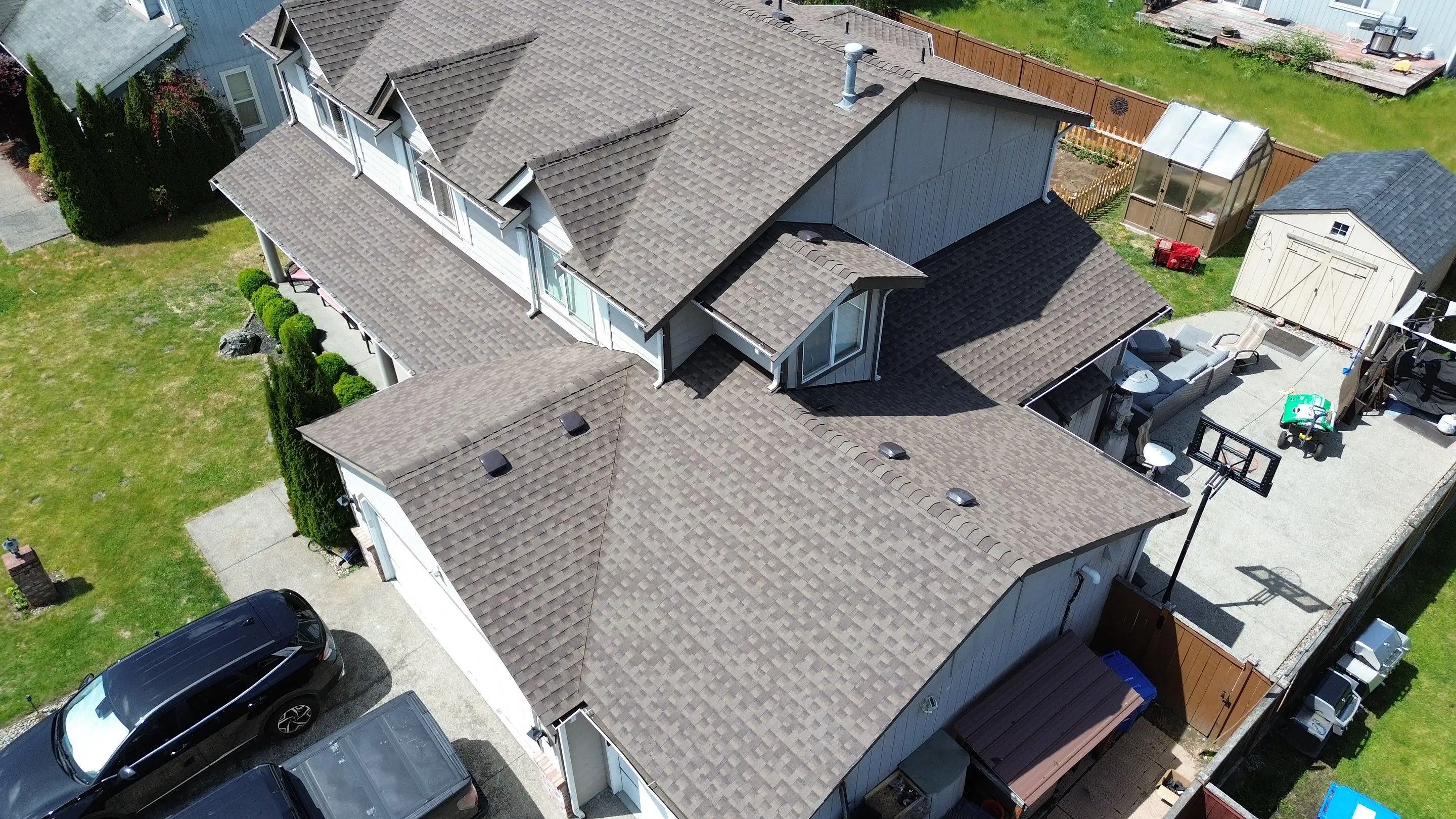
Before deciding how to finance a new roof, establish the actual scope of work. An unusually low estimate may omit components that become expensive change orders later. A professional assessment should evaluate shingles or panels, underlayment, flashing, ventilation, gutters, and the condition of the roof deck.
Your written estimate should clarify:
- Roofing material, manufacturer, color, and product line
- Tear-off, disposal, and site cleanup costs
- Allowances or unit pricing for damaged decking
- Flashing, underlayment, ventilation, and moisture protection
- Permit costs and applicable taxes
- Material and workmanship warranty terms
- The process for approving unexpected work
Permit requirements can vary according to the project and jurisdiction, so ask whether permitting is needed and who will manage it. Updated energy-code requirements may also affect insulation, ventilation, or solar-ready considerations during certain projects.
Material selection has a significant effect on the final amount. Asphalt shingles generally have a lower initial cost, while metal roofing typically requires a larger investment but may provide a longer service life. Algae-resistant shingles and properly designed ventilation can also support moss mitigation in a damp climate. Our comparison of metal roofing and asphalt shingles can help you consider the tradeoffs.
For an initial budget range, homeowners can also use Proline Roofing & Restoration LLC’s instant estimator. A digital estimate is useful for planning, but an on-site assessment is still important before final pricing.
Compare the Main Roof Financing Options
The right funding method depends on the urgency of the work, your available savings, credit profile, home equity, and preferred repayment timeline.
Contractor financing
Financing arranged through a roofing contractor can simplify the process by connecting the project estimate and payment application. Depending on the plans available and credit approval, borrowers may be able to choose among different terms or promotional offers. Review Proline Roofing & Restoration LLC’s financing options to learn more about the available application process.
Home equity loans or lines of credit
Home equity products may offer competitive rates because the home secures the debt. A fixed-rate home equity loan provides a lump sum and predictable payment, while a home equity line of credit generally has a variable rate and allows draws up to an approved limit. These products may involve appraisal expenses, closing costs, and a longer approval process. Because your property is collateral, consider the repayment obligation carefully.
Personal loans
An unsecured personal loan may fund quickly and does not use your house as collateral. Rates and terms depend heavily on creditworthiness, income, and the lender. Compare the annual percentage rate—not just the advertised interest rate—because the APR reflects certain loan costs more completely.
Credit cards
A credit card may be practical for a small repair or deposit, particularly if a legitimate promotional rate applies. For a full replacement, however, standard card rates and short promotional periods can make this an expensive option. Confirm when a promotional rate expires and whether deferred interest could apply.
Insurance proceeds
Homeowners insurance may help when replacement is required because of a covered event, such as qualifying wind damage. It generally does not pay for ordinary aging, neglected maintenance, or gradual moss damage. If the loss may be covered, document the condition promptly and review the claim with your insurer before authorizing major work. Proline Roofing & Restoration LLC also offers insurance restoration support for eligible projects.
Understand the Monthly Payment—and the Total Cost
There is no single average monthly payment for a new roof installation. The payment depends on the amount financed, APR, loan length, fees, and whether a down payment is required.
For example, financing $18,000 for 10 years at a hypothetical fixed 8% APR would produce a payment of roughly $218 per month and total payments of about $26,200. This is an illustration, not a quote or representation of available terms. A shorter term would usually mean a higher monthly payment but less total interest; a longer term can lower the payment while increasing the overall cost.
Before accepting an offer, compare these details:
- APR: This helps compare the cost of borrowing across offers.
- Loan term: Check both the number of payments and total repayment amount.
- Fees: Look for origination, processing, closing, or early-payment fees.
- Promotional conditions: Understand when the offer ends and what happens afterward.
- Payment timing: Confirm when the first payment is due.
- Prepayment rules: Ask whether additional principal payments are allowed without penalty.
- Contract relationship: Verify whether the financing agreement is separate from the roofing contract.
Do not choose a plan solely because it has the lowest payment. The best fit is generally the one that keeps payments manageable without adding unnecessary years of interest.
Prepare Before You Apply
A little preparation can make financing easier and reduce surprises. Review your credit reports for errors, calculate a comfortable monthly amount, and gather income and identification documents that a lender may request. If possible, preserve part of your savings as an emergency reserve rather than using every available dollar for the down payment.
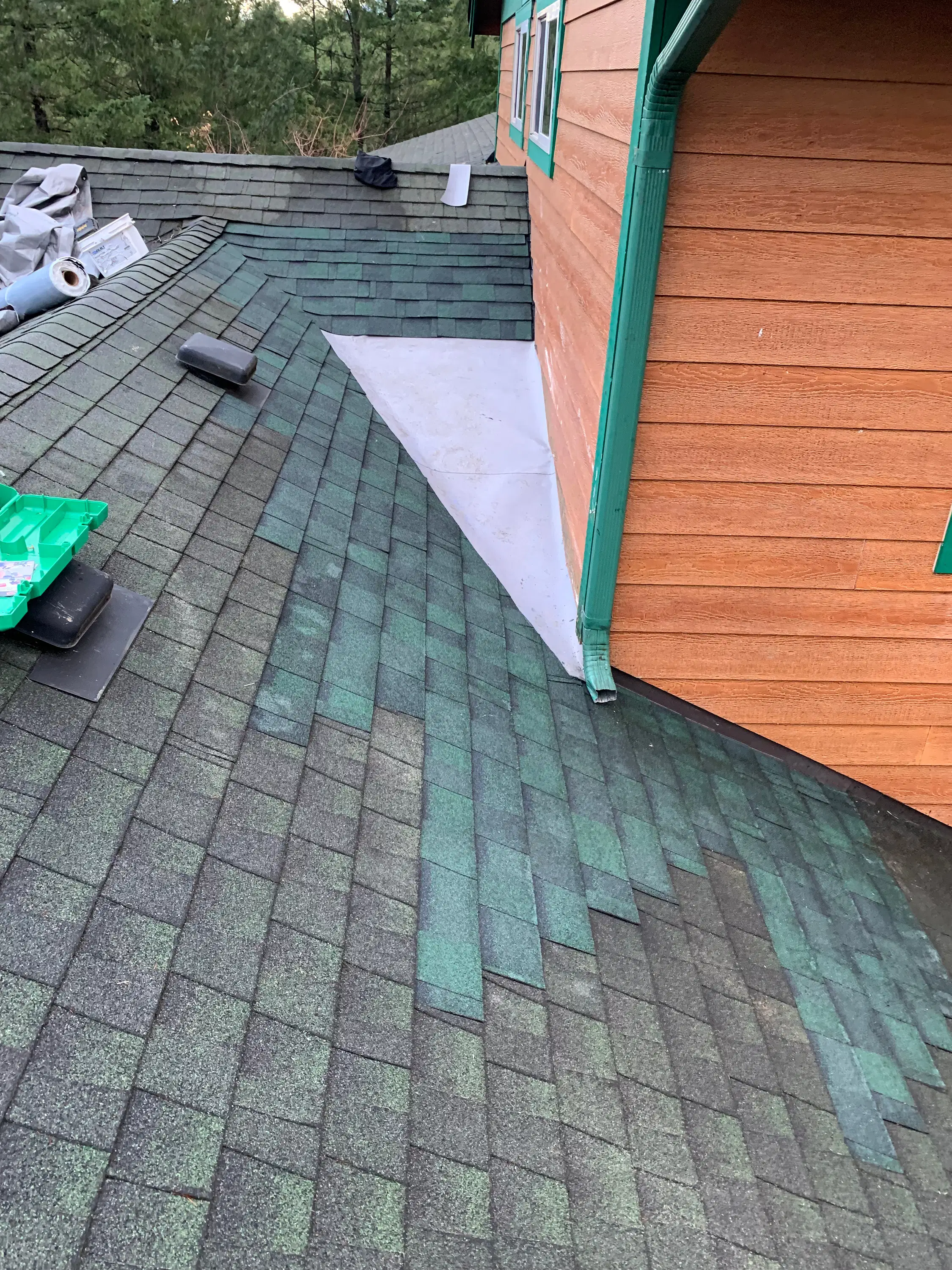
It also helps to separate must-have roof components from optional upgrades. Proper underlayment, flashing, ventilation, and code-compliant installation should not be sacrificed to lower the payment. Cosmetic upgrades or premium accessories may be easier to adjust. If gutters are failing or incorrectly sized, however, coordinating gutter installation with the roof may prevent drainage problems and duplicated labor.
Ask the contractor how weather affects scheduling and how your home will be protected if conditions change. Reputable crews should follow Washington safety requirements, maintain appropriate licensing and insurance, and communicate promptly about delays. Modern tools such as aerial measurements and digital contracts can accelerate planning, but they should support—not replace—a clear explanation of the work.
Protect Your Home Without Overstretching Your Budget
Roof financing can turn an urgent, high-cost project into a planned household expense. Start with a detailed estimate, compare several funding methods, examine total repayment rather than the monthly figure alone, and confirm every material and warranty included in the contract.
Proline Roofing & Restoration LLC can help you evaluate your roof, plan a residential roofing project, and explore financing subject to approval and available terms. If your home in the South Sound needs attention, contact Proline Roofing & Restoration LLC to request an assessment and discuss a payment approach that fits your priorities.